How to Plan a Market Day Around Opening Times and Locations
A good market day rarely happens by accident. The best outings tend to start with a simple question: which markets are worth visiting, and when? Opening times, event locations and the pace of the day all shape what you can see and buy. A little planning makes the difference between a rushed stop and a relaxed visit.
Start with the area you want to cover
Begin by choosing a practical radius. Farmers markets nearby may be clustered around town centres, parks, community halls or streets that close for an event. A short distance on a map can still take longer than expected if parking is tight, roads are busy or the event is part of a street festival.
Think about the shape of the day. One market with a wide range of stalls may be enough for a slow morning. Several smaller stops can work well if they sit close together and open at different times. For a family outing, keep the route short enough that a tired walk or a change in weather does not ruin the plan.
TownWild helps people discover concerts, games, comedy, festivals, family activities, markets, arts and other local events on an interactive map, so it can be useful when comparing what is happening in the same area. Look for nearby activities that share a date or location, especially if the market is only one part of the outing.
Check opening times before you build the route
Market hours are the backbone of the plan. Some markets run in the morning, some begin later, and some are tied to a particular day of the week. Seasonal changes can also affect the mix of stalls, so a market that feels lively at one time of year may be smaller at another.

Write down the start time and finish time for each place you are considering. Then work backwards from the time you want to be home. Travel time, parking, queueing and a leisurely look around all need space in the schedule. If you arrive near the end, popular items may be gone and vendors may already be packing up. If you arrive right at the start, the choice is usually wider, though the busiest buying period may still be ahead.
Watch for times that overlap. Two markets that open at the same hour may not both fit unless they are very close. A later craft fair or community gathering can pair well with a morning food market, but only if the travel between them is realistic.
Read the location details carefully
An event location is more than a pin on a map. Check whether the market is held indoors, on a street, in a park or beside another event. Each setting changes how the visit feels. An indoor market can be easier in rain or heat. An outdoor market may have more space and a stronger community atmosphere, but it depends more on the weather.
Look at access and arrival. Consider where you would park, whether public transport stops nearby, and how far you would need to walk from the drop-off point. If the route includes a street festival or a busy family activity, expect crowds around entrances and crossings. Anyone with a pushchair, mobility needs or heavy bags should allow extra time.
Location also hints at the type of stalls. A town centre market may draw a mix of food, flowers and handmade goods. A park-based event may suit a picnic style visit. A venue shared with arts or games can make the outing longer, but it may also mean the market area is only one section of a larger event.
Match the market to what you want from the day
Before settling on a route, decide what matters most. Some visits are about fresh produce. Others are about browsing handmade goods, meeting local vendors or spending time at a community gathering. The right choice depends less on the number of stalls and more on how well the market fits your purpose.
For food shopping, aim to arrive with enough time to compare stalls before buying. Seasonal produce is a good reason to stay flexible. What looks best may depend on the week, the weather and what growers have brought. If you are planning a meal around the visit, treat specific ingredients as a bonus rather than a guarantee.
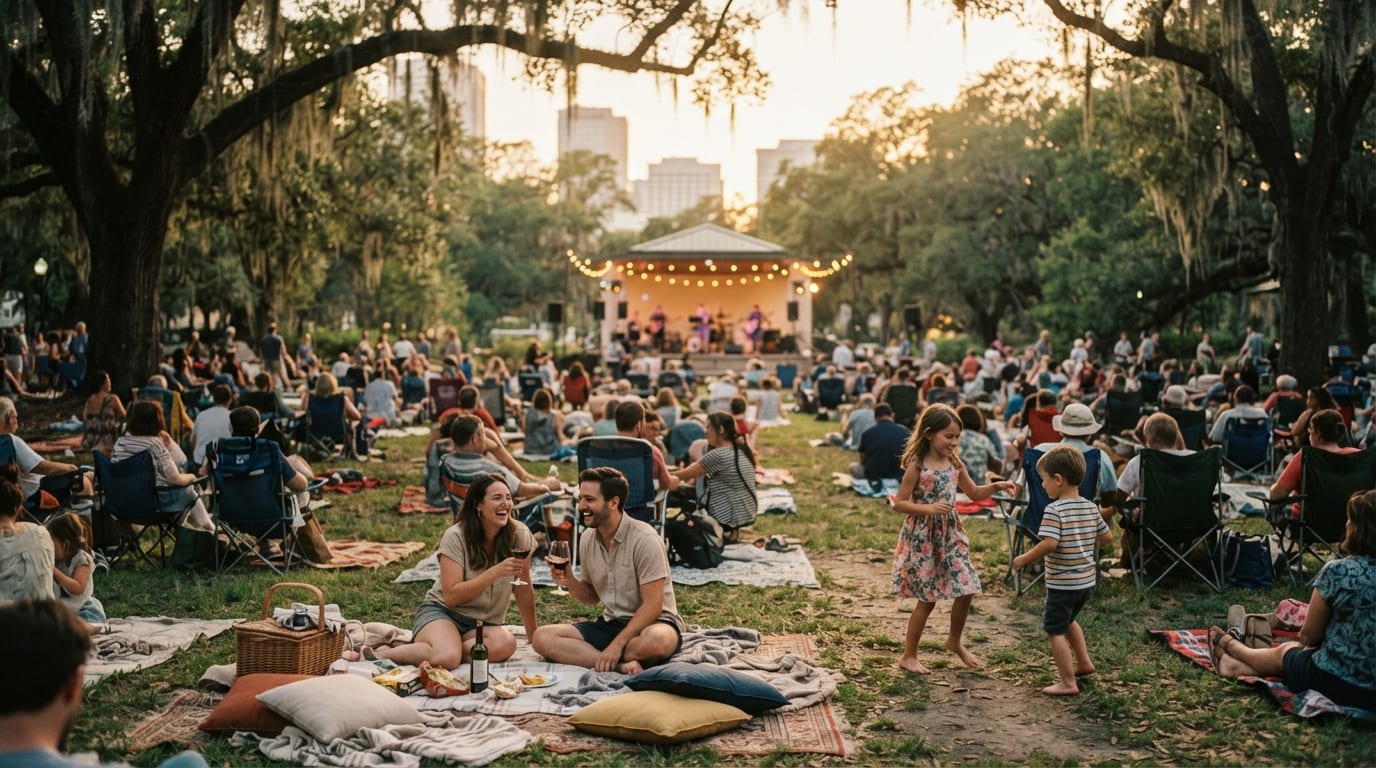
For browsing, a slower route works better. Give yourself time to look at several stalls before making a decision. If there is a craft fair nearby, it can add variety, but it can also stretch the day. Choose one or two places to explore properly instead of trying to see everything.
TownWild can help with the wider picture when markets sit alongside concerts, games, comedy, festivals, family activities or arts. That context matters because a busy event nearby can change traffic, parking and crowd levels around the market.
Build a simple timetable
Once you know the opening times and locations, turn them into a timetable that leaves room for the unexpected. Start with the market that has the earliest opening time or the most limited hours. Place the next stop after it, allowing more time than you think you need for travel and parking.
A practical plan might look like this:
- Arrive near the opening of the first market, while the range is at its best.
- Spend the main shopping or browsing time there, with a short break if the setting allows it.
- Travel to the second stop only if the hours still leave enough time for a proper look.
- Add a nearby family activity or arts event if the day has room and the crowd level seems manageable.
- Leave before you feel rushed, especially if the return journey is likely to be busy.
Keep the timetable loose. A market day is more enjoyable when there is time to pause, ask a vendor a question or take a different street because the main route is crowded. Overplanning can turn a relaxed outing into a sequence of deadlines.
Watch for common problems
A few details are worth checking on the morning of the visit. Weather can change an outdoor market, and poor conditions may reduce the number of vendors or make walking less comfortable. A location that works in bright sunshine may feel very different in heavy rain.
Crowds are another factor. Markets often have a peak period when the day feels busiest. If you prefer a calmer visit, an earlier arrival may help. If you enjoy the bustle and a full community gathering, a later time may suit better. The trade-off is that late visits can mean reduced choice.
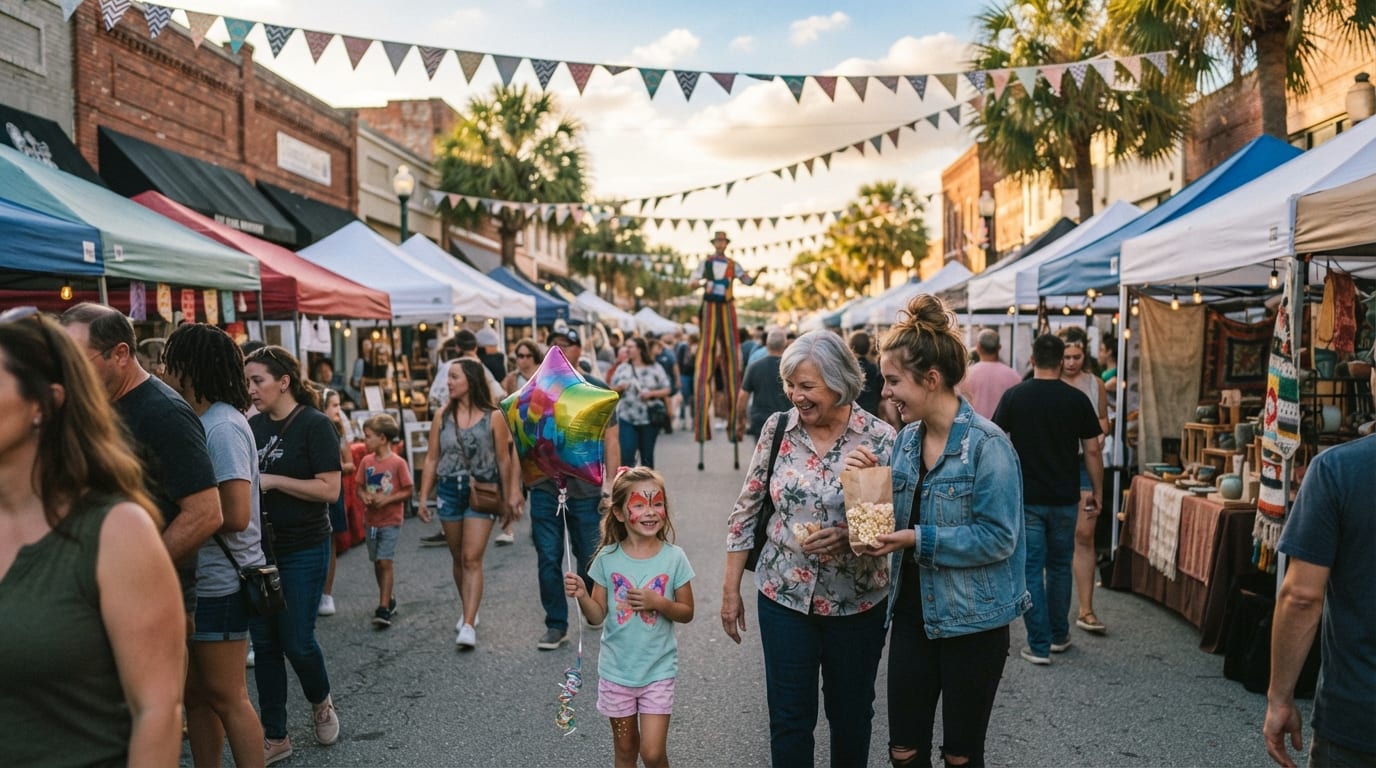
Also watch for limited parking, road closures, event setup and stalls that spread further than expected. These are not reasons to avoid a market. They are reasons to arrive with a little more time and to keep the route simple. If an event location is shared with a festival or street activity, allow for noise and queues near the main entrance.
Adjust the plan as the day changes
No plan needs to be rigid. If the first market is quiet or has little left that interests you, move on rather than forcing the schedule. If a second stop is too crowded, a shorter visit may still be worthwhile. If the weather improves, a park or outdoor area may become the better choice.
The aim is to use opening times and locations as guideposts, not rules. Choose a manageable area, check market hours, understand the setting and leave enough space for browsing. With those pieces in place, farmers markets nearby become easier to fit into a day that feels relaxed, useful and enjoyable.